Digital Product & Business Transformation Lead
Afadapa Enterprises
Repositioning a Family Aquaculture Business Through Product and Operational Transformation
Live business transformation / operating business
Helped reposition and modernise a Nigerian aquaculture business by standardising operations, leading a B2B marketing pilot, revitalising its smoked-catfish proposition, introducing differentiated packaging and building a connected digital product ecosystem while studying in the UK.
Visit afadapaenterprises.com- Role
- Digital Product & Business Transformation Lead
- Mode
- Led remotely from the UK
- Focus
- Operations, GTM, product differentiation
- Status
- Operating business
01
Context
Afadapa Enterprises is a Nigerian aquaculture and food business with African catfish at its core. I became involved in helping rebrand and scale my late father's business while studying Computer Science in the UK.
The opportunity was broader than making a new website. The business needed stronger operating discipline, clearer market positioning, better customer acquisition, improved product presentation and a more scalable digital and commercial foundation.
02
The problem was a portfolio, not a project
Treating this as a branding exercise would have solved the most visible problem and none of the structural ones. What the business actually presented was a set of connected commercial and operational problems.
- Farm operations that were inconsistent or insufficiently standardised.
- Limited structured B2B marketing capability.
- An inexperienced marketing team needing direction.
- Dependence on traditional live-fish sales with limited differentiation.
- An underdeveloped smoked-catfish proposition despite available production potential.
- Packaging not yet positioned for premium local or export-facing markets.
- A fragmented digital presence.
- A need to make the business easier to understand, easier to buy from and eventually easier to scale.
03
Customers & stakeholders
Three groups buy from the business, three groups run it, and a fourth group matters only once it scales. Keeping them separate stopped the strategy collapsing into one generic audience.
- Commercial — B2B buyers: food businesses, caterers, retailers and bulk buyers.
- Commercial — consumers of smoked and packaged catfish.
- Commercial — customers buying live or processed catfish directly.
- Internal — farm technicians and operations staff.
- Internal — the marketing team.
- Internal — business leadership and family stakeholders, plus processing and packaging staff.
- Future ecosystem — retail and distribution partners, export and compliance partners, CatfishXpress customers.
- Job to be done“B2B buyer: when I source catfish for my business, I need consistent quality, reliable supply and clear communication so I can plan my own operation.”
- Job to be done“Consumer: when I buy smoked catfish, I want a product that feels safe, premium, convenient and clearly differentiated from commodity alternatives.”
- Job to be done“Farm team: when we operate the farm, we need standard processes and clear records so performance does not depend only on individual memory.”
- Job to be done“Business owner or manager: when I review the business, I need clearer visibility over operations, marketing and product opportunities so I can make better growth decisions.”
04
Discovery & diagnosis
I did not start from “rebrand it”. I started by understanding how the business actually ran, where value leaked and which problem, if solved first, would make the next one solvable.
Most of this coordination happened remotely from the UK. That was a genuine constraint on discovery: I could not observe the farm daily, so diagnosis depended on structured reporting, written process and disciplined follow-up.
- 01Understand current farm operations
- 02Identify process and marketing gaps
- 03Study buyers and product opportunities
- 04Prioritise quick operational improvements
- 05Run B2B marketing pilot
- 06Analyse market response
- 07Identify differentiated smoked-catfish opportunity
- 08Redesign proposition and packaging
- 09Build digital ecosystem
- 10Prepare for scale and export readiness
05
Operating across realities
Every decision on this project had to survive a five-thousand-kilometre gap between where it was made and where it was executed.
Remote leadership across two countries
I led from the UK while the physical business operated in Nigeria. Anything that depended on my presence would fail, so decisions had to become written process.
An inexperienced marketing team
The team was capable but new to structured outreach. They needed targets, scripts, coaching and follow-up routines rather than a strategy document.
Limited resources
Improvements had to be practical and low cost. Nothing could depend on capital expenditure the business had not yet earned.
Agricultural variability
Biological systems do not behave like software. Yield, growth and harvest timing vary, which puts a premium on operational discipline and record-keeping.
Commodity pressure in live fish
In the live-fish channel the market sets the price. Competing harder there could not change the ceiling.
Trust has to be earned on quality
B2B buyers commit to a supplier on consistency, not on a single good delivery. The proposition had to be defensible over repeat orders.
Packaging serving two markets at once
Packaging had to work for premium local positioning today and stand up to export-facing expectations later, without two separate designs.
Digital cannot compensate for physical
Websites and brand assets can support the business but cannot fix weak operations. Sequencing followed from that.
06
Strategic & product decisions
Eight decisions shaped the transformation. Each one had an alternative I rejected for a stated reason.
Decision 1
Standardise operations before scaling demand
Rationale — Generating more sales without improving operational consistency risks poor fulfilment, quality issues and unsustainable growth. Operational readiness came before aggressive marketing.
Decision 2
Run a focused B2B marketing pilot
Rationale — B2B demand could generate larger, repeatable orders, and a bounded pilot was a practical way to test messaging, targeting and the team's ability to execute before committing permanently.
Decision 3
Build and lead the marketing team rather than outsource the learning
Rationale — The team was inexperienced, but building internal capability created reusable knowledge about customers, outreach and follow-up that an agency would have taken with it.
Decision 4
Revitalise smoked catfish as a differentiated category
Rationale — Live fish is comparatively commoditised. Processed and smoked fish creates more room for branding, convenience, premiumisation, shelf presentation and future distribution.
Decision 5
Apply Blue Ocean thinking as a differentiation lens
Rationale — Competing on a stronger value proposition rather than only on price. The focus went to presentation, product variation, convenience, safety and quality perception, and export-oriented positioning.
Decision 6
Redesign packaging for premium local and export-facing use
Rationale — Packaging is part of the product. It had to improve trust, shelf presence, information clarity, perceived quality and future compliance readiness.
Decision 7
Build a connected digital ecosystem, not one generic website
Rationale — The business serves different audiences with different propositions. Separate but connected surfaces communicate the parent enterprise, the farm products and the consumer experience more clearly than a single site trying to do all three.
Decision 8
Create CatfishXpress as a consumer-facing scalable concept
Rationale — Moving further down the value chain from aquaculture production toward branded food service creates a future route to higher-margin consumer relationships and franchise-style growth.
07
From commodity to differentiated product
Live catfish is close to a pure commodity: the buyer's only real variable is price. The strategic question was whether the business could change the basis on which it competed rather than fight harder on the one axis it could not win.
I applied Blue Ocean thinking as a lens for finding whitespace and shaping the smoked-catfish proposition. It was not implemented as a formal company-wide strategy programme.
Commodity live fish
- Price-led competition
- Limited brand memory
- Low packaging differentiation
- Transactional buyer relationship
Differentiated smoked & branded proposition
- Branded product identity
- Premium packaging
- Product and flavour variation where applicable
- Convenience and ready-to-use format
- Stronger retail and export presentation
- A more direct consumer relationship
08
How the digital work was built
I defined the business goals, content architecture, customer journeys, feature requirements and positioning for each digital surface, then used modern AI-assisted tooling to accelerate implementation. Not every line was hand-written by me, and I am explicit about that.
What I owned was the judgement: which audience each surface serves, what it has to communicate, what a visitor should be able to do and how the three properties relate to one another. AI shortened the build loop; it did not decide the strategy.
09
How the business connects
The operating system of the business runs from pond to customer and back again: farm operations feed a harvest or processing decision, which splits into a live-fish B2B channel or a smoked and processed product; that product is packaged and moves into B2B, retail or consumer channels; digital surfaces handle discovery, ordering and brand; and customer feedback and sales insight loop back into operational improvement.
The processing-facility work sits inside operational readiness rather than on this page — it is part of how the product becomes consistent, not the subject of this case study.
Layer 1
Afadapa Enterprises Hub — afadapaenterprises.com
The parent company story, ecosystem and business identity. One credible front door so B2B buyers deal with a business rather than an informal arrangement.
Layer 2
Afadapa Fishery — afadapafishery.com
The aquaculture and farm-facing surface: products, production capability and the customer-facing presence for live and processed catfish.
Layer 3
CatfishXpress — catfishxpress.com
The consumer-facing branded food-service concept, kept separate so a consumer proposition can be tested without diluting the B2B identity.
- Afadapa EnterprisesParent enterprise hubafadapaenterprises.com
- Afadapa FisheryAquaculture and farm productsafadapafishery.com
- CatfishXpressConsumer-facing branded conceptcatfishxpress.com
Phase 1
Diagnose farm and commercial gaps
End-to-end review of how the business produced, sold and communicated, and where variability entered the product.
Phase 2
Standardise operations
Practical, low-cost process discipline so quality and fulfilment could survive higher demand.
Phase 3
Structure and lead the B2B marketing pilot
Target definition, outreach lists, coaching, scripts and follow-up routines, coordinated remotely.
Phase 4
Sales breakthrough and market validation
The pilot produced the strongest short-period sales performance recorded at the time. Exact figures are under verification.
Phase 5
Reposition the smoked-catfish proposition
Shift emphasis from commodity live weight to a processed product that can carry a brand.
Phase 6
Differentiated packaging and product presentation
Packaging treated as part of the product: trust, information clarity, shelf presence and future compliance readiness.
Phase 7
Build the Afadapa digital ecosystem
Three connected surfaces for the enterprise, the fishery and the consumer proposition.
Phase 8
Develop CatfishXpress and broader consumer strategy
A consumer-facing branded concept as a route further down the value chain, ahead of any wider rollout.
Farm operations
Stocking, feeding and husbandry run to standard process, with records that do not depend on individual memory.
Harvest and processing decision
Each harvest is routed either to the live-fish B2B channel or into smoking and processing, depending on demand and margin.
Packaging
Processed product is packaged for premium local positioning and future export-facing expectations.
Channels
B2B buyers, retail partners and direct consumers, each with different expectations of consistency and presentation.
Digital touchpoints
Discovery, ordering intent and brand carried across three connected surfaces rather than one generic site.
Feedback loop
Customer feedback and sales insight feed back into operational improvement — the part that makes the rest compound.
10
Testing demand, not just designing a brand
A rebrand that is never tested against buyers is decoration. The B2B pilot existed to find out whether the proposition, the targeting and the team could produce real orders.
The pilot delivered the strongest short-period sales performance the business had recorded at the time. Exact uplift is under verification before public release, so I am reporting it qualitatively rather than publishing a multiplier I cannot yet evidence.
- A real operating business, not a portfolio-only concept.
- A B2B pilot that produced record short-period sales performance at the time.
- A team that executed a structured marketing drive under remote coordination.
- A smoked-catfish product repositioned with differentiated packaging and broader local and export ambition.
- Multiple digital properties supporting the enterprise and consumer propositions.
- Work that progressed from operational standardisation into product, marketing and digital transformation.
Define target B2B buyers
Segment by order size, repeatability and fit with production capacity.
Build outreach list and territories
Give an inexperienced team a bounded, concrete surface to work.
Coach the marketing team
Scripts, objection handling and expectations set before activity started.
Coordinate remotely
Reporting cadence and decision rights defined so progress was visible from the UK.
Test messaging and sales conversations
Treat the pitch as a hypothesis, not a fixed asset.
Capture objections and feedback
Buyer objections were the most valuable output after the orders themselves.
Iterate follow-up and proposition
Adjust targeting and messaging within the pilot rather than after it.
Compare against historical performance
Judge the pilot against what the business had achieved before, not against an abstract target.
Record
Strongest short-period sales performance recorded by the business at the time (reported)
Simulated
Remote
Pilot coordinated entirely from the UK with an in-country team
Simulated
Exact uplift, baseline, dates and territories are under verification before public release. No revenue, customer-count or conversion figures are published here.
11
Product management competencies
What this project demanded of me as a product person, rather than what the product contains.
- Business and product discovery
- Operational diagnosis
- Customer segmentation
- B2B go-to-market
- Value proposition design
- Product differentiation
- Packaging as product experience
- Commercial experimentation
- Team leadership
- Remote stakeholder management
- Cross-functional execution
- Digital product strategy
- Portfolio and ecosystem thinking
- Prioritisation under constraints
- Customer feedback loops
- Scale and export-readiness thinking
12
Evidence gallery
Captured from the live product. These are real screens, not reconstructions.
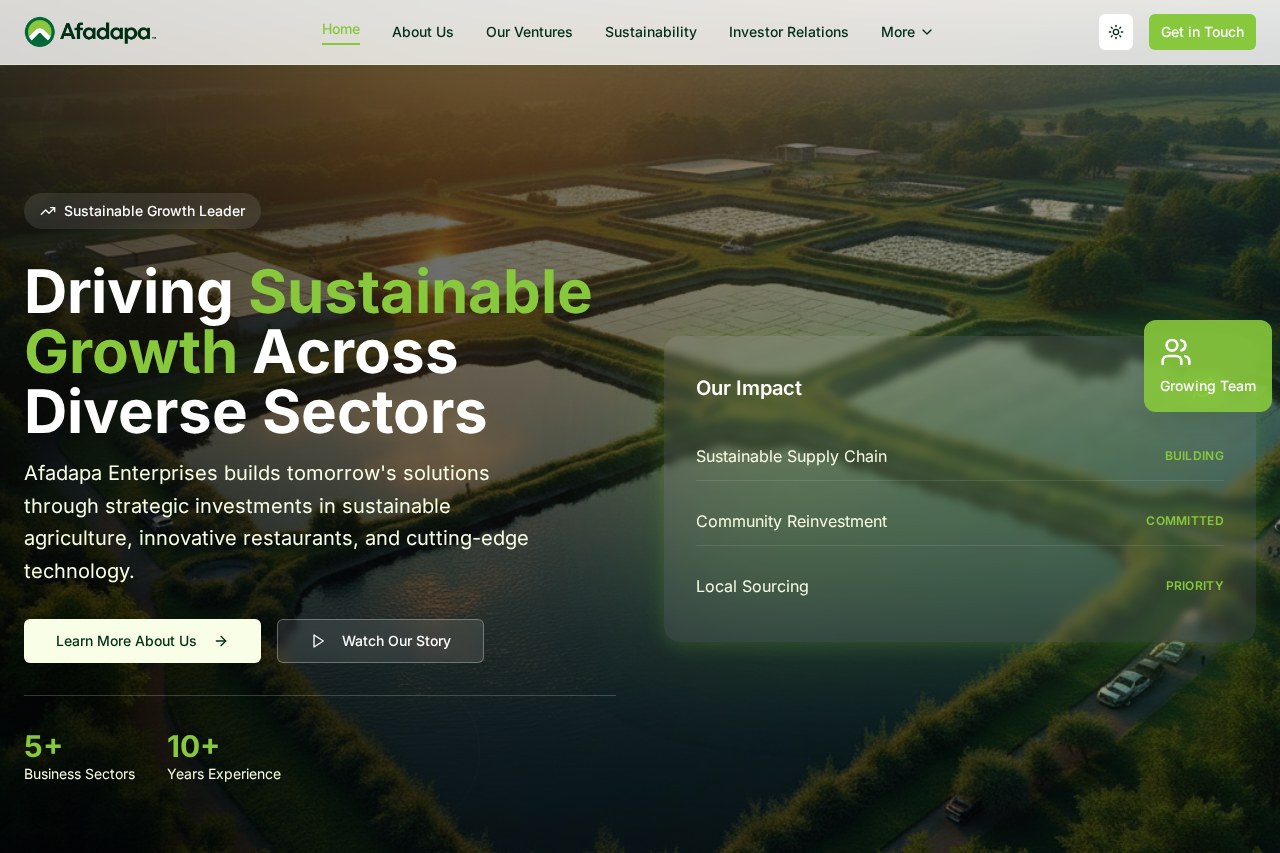
Live product capture
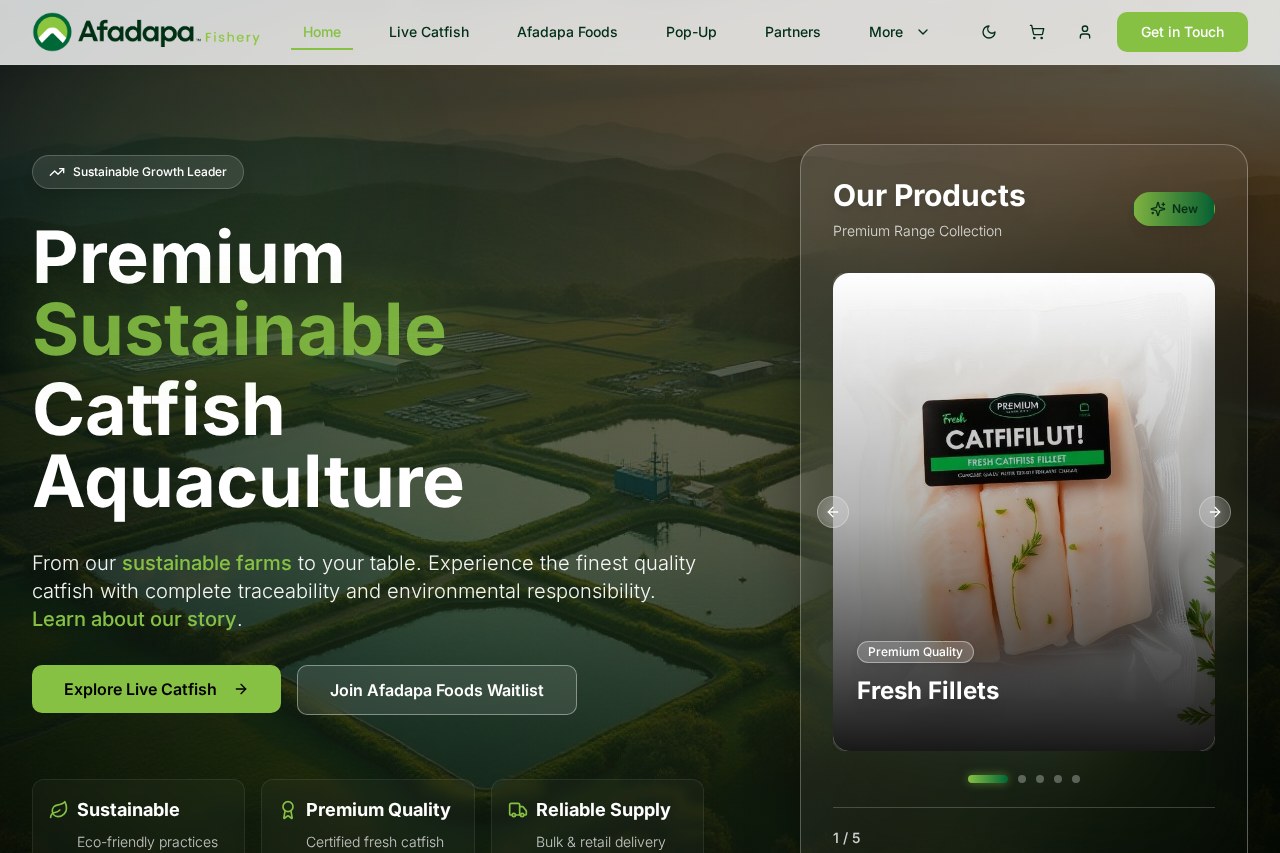
Live product capture
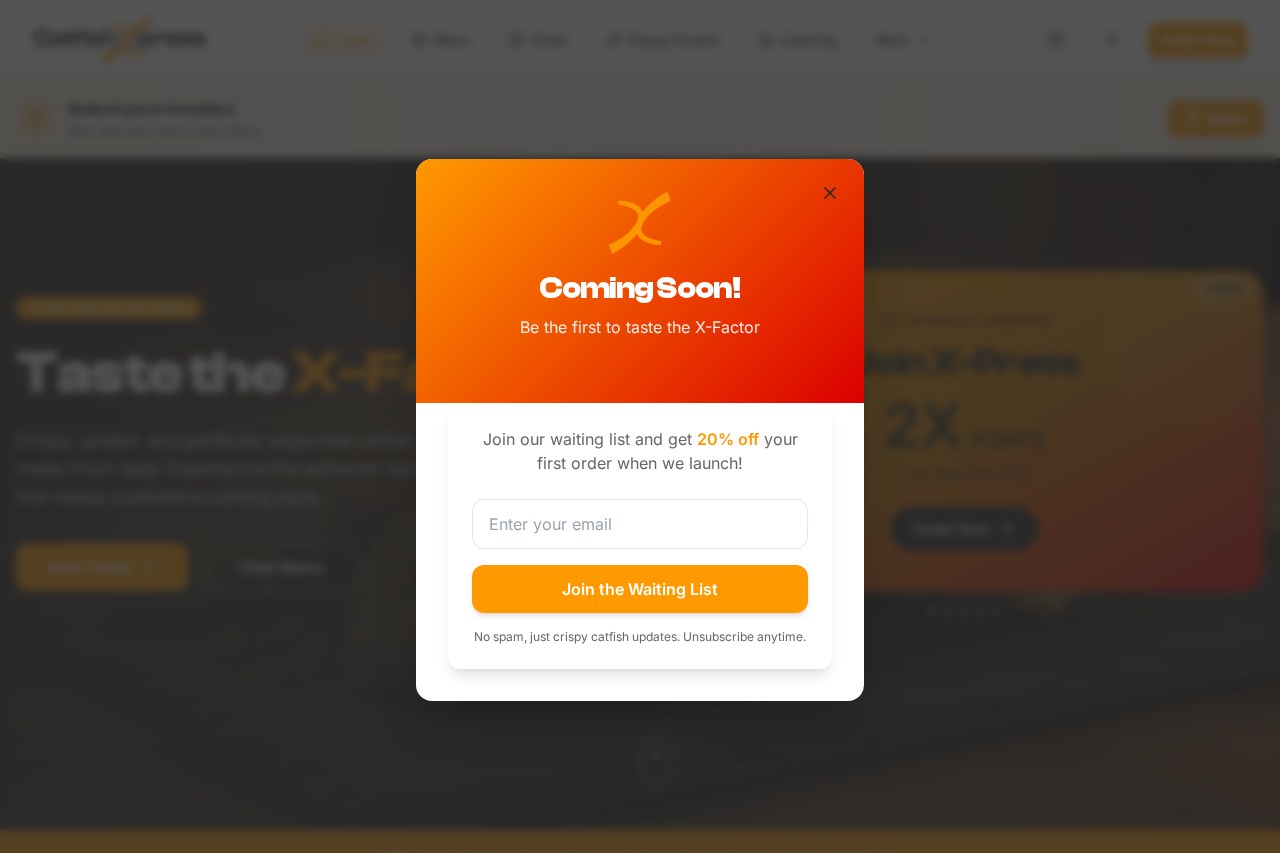
Live product capture
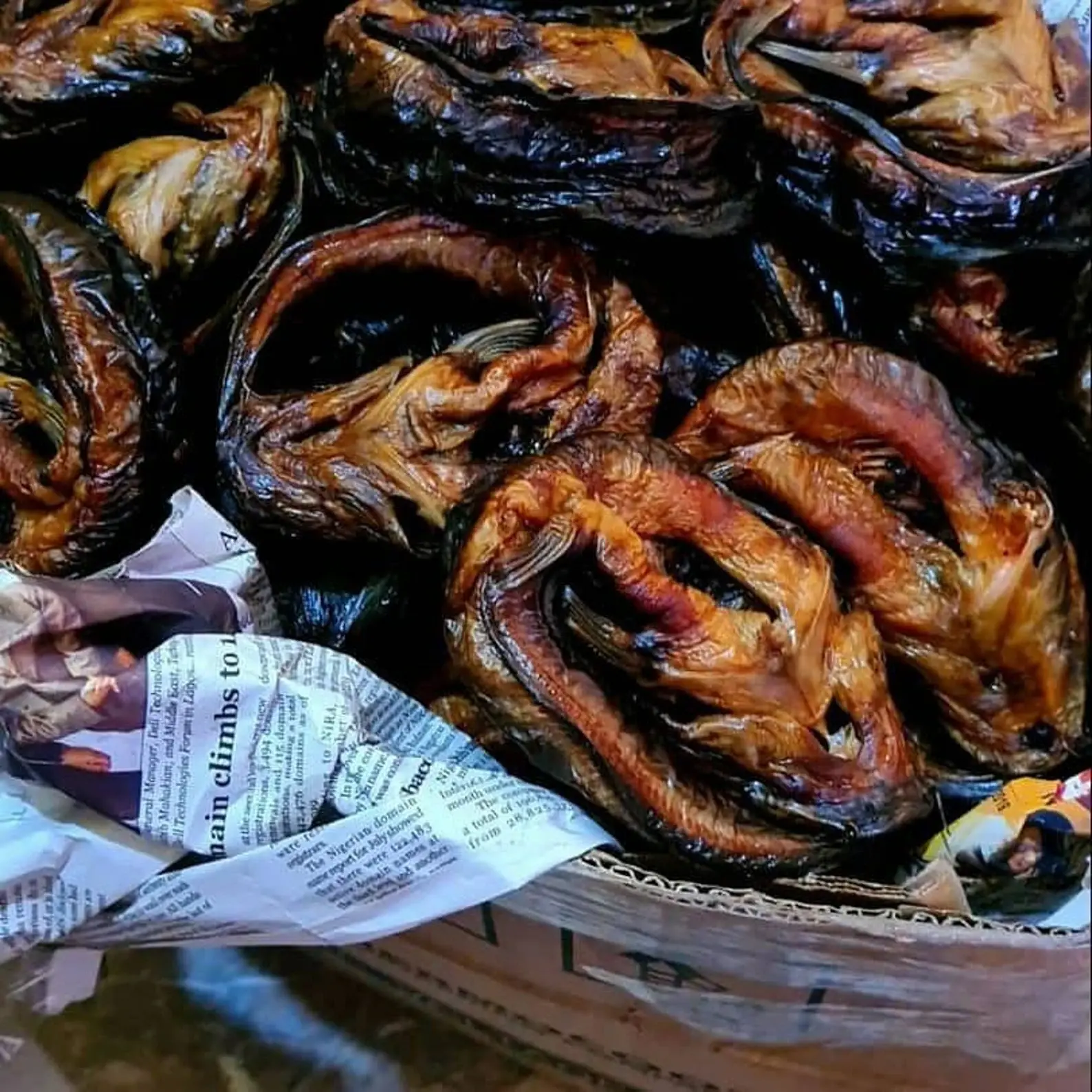
Live product capture
Original market packaging
Smoked catfish sold in open baskets with newspaper wrapping — the baseline presentation before repositioning.
Live product capture
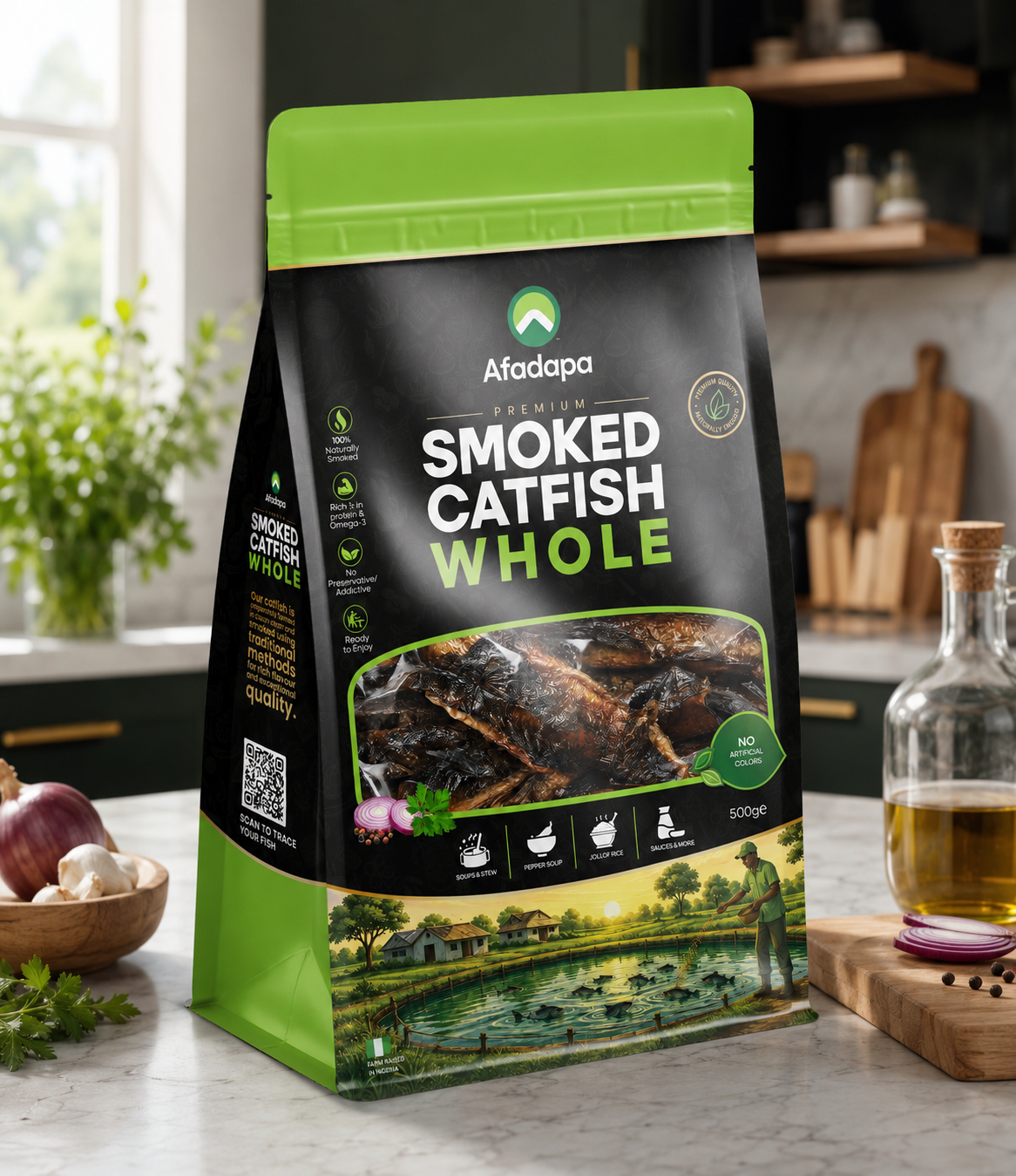
Premium Afadapa Smoked Catfish Whole packaging
Differentiated retail pouch design: branded, labelled, traceable and positioned for premium local and export-facing markets.
Live product capture
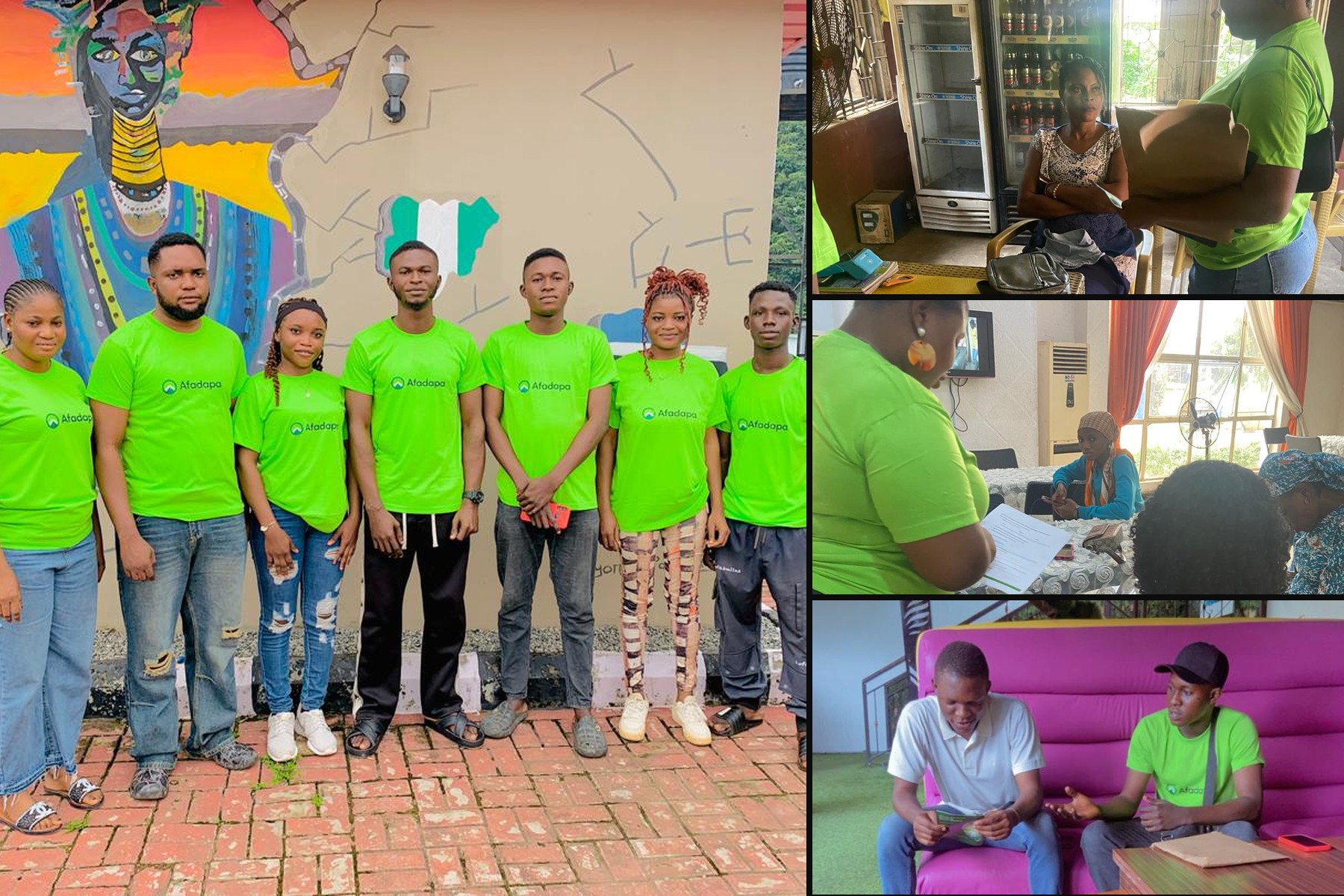
Marketing team activity in the field
Branded field team during the B2B outreach pilot: on-site vendor visits, retailer conversations and product introductions across Nigerian outlets.
Live product capture
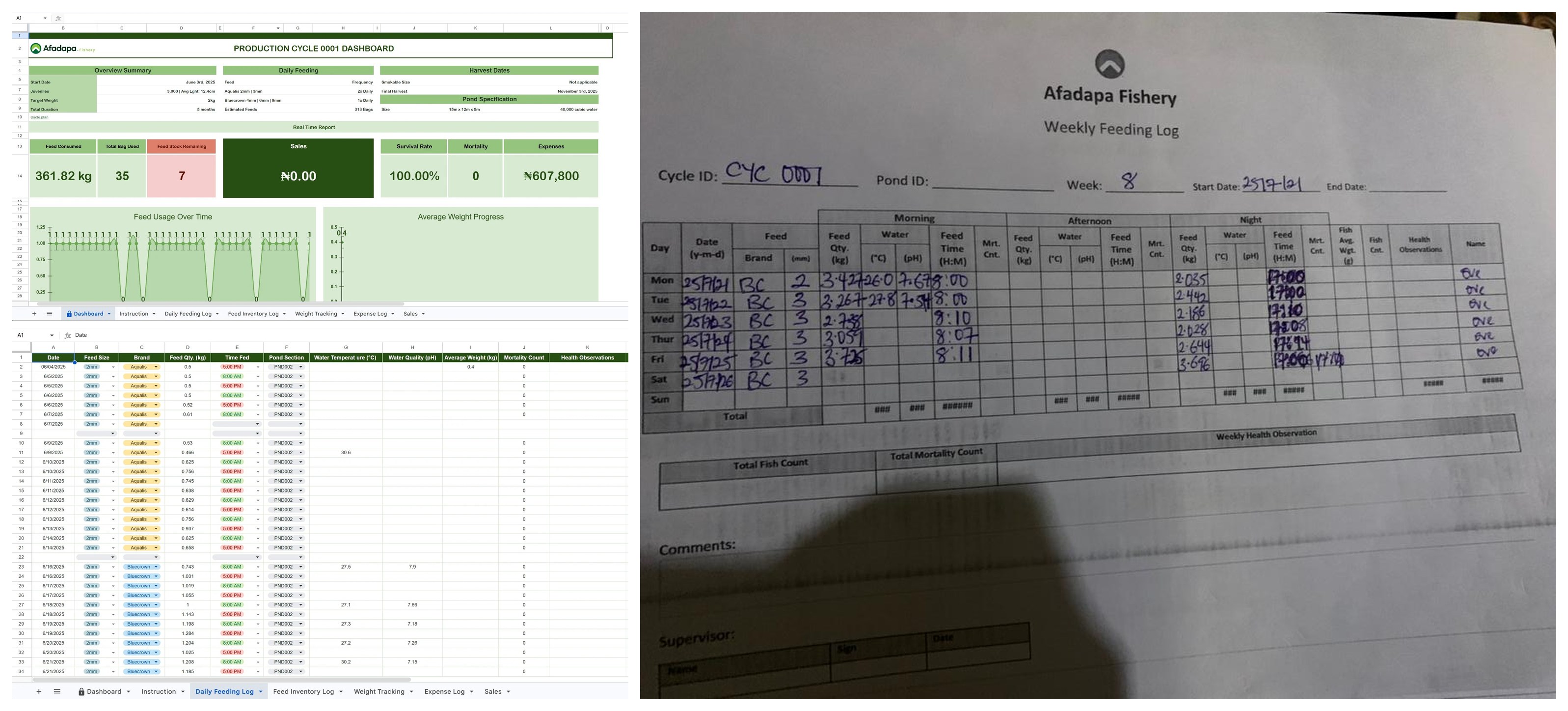
Operations tracker and technician logs
Production Cycle 0001 dashboard (feed consumed, survival rate, mortality, expenses) beside the handwritten weekly feeding log technicians complete twice a day — feed size, brand, quantity, water temperature, pH and health observations.
Live product capture
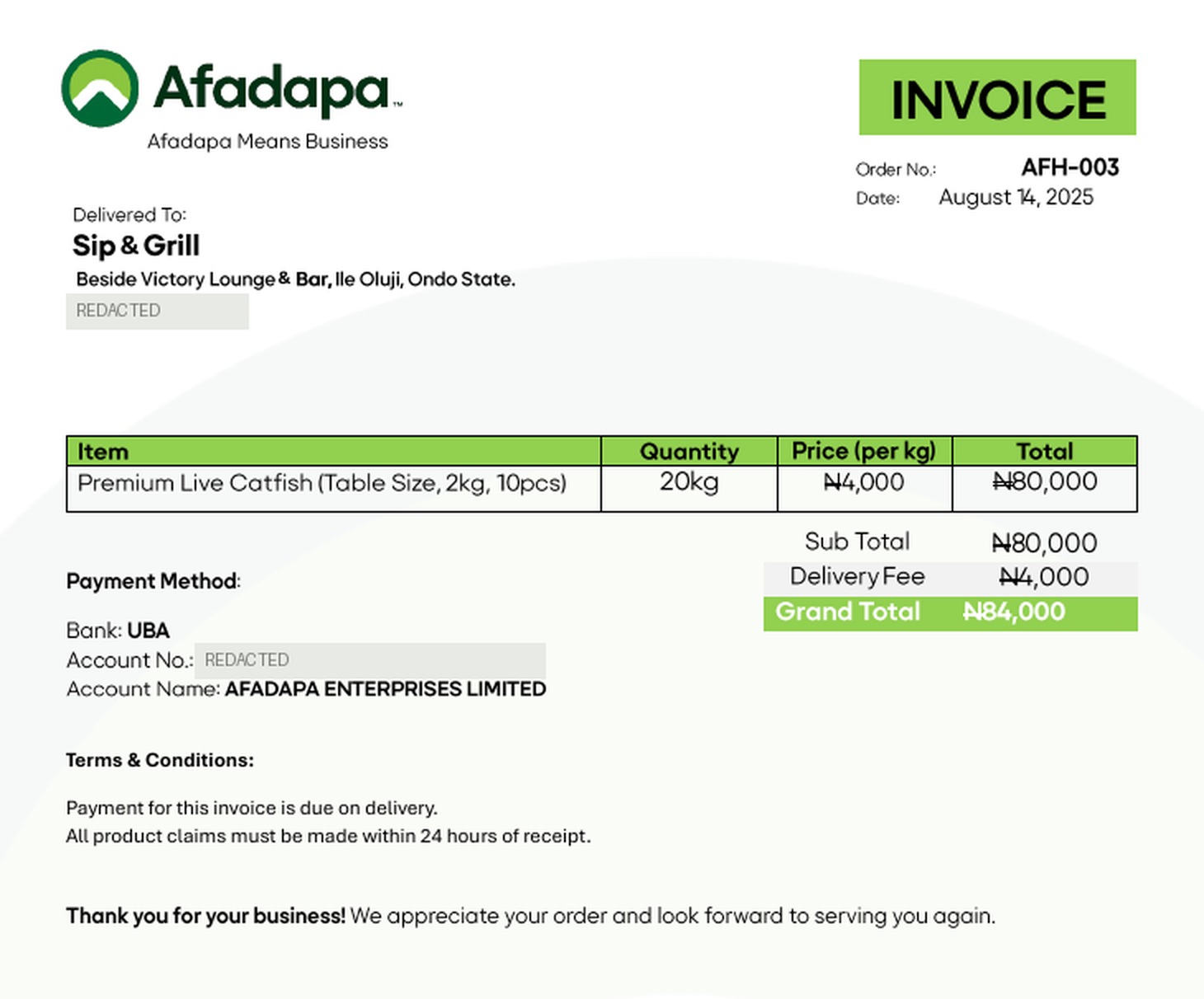
B2B wholesale invoice — hospitality customer
Order AFH-003 (August 2025): 20kg of premium live table-size catfish supplied to Sip & Grill, a hospitality venue in Ile Oluji, Ondo State. Evidence of the direct B2B channel replacing middlemen. Bank details redacted.
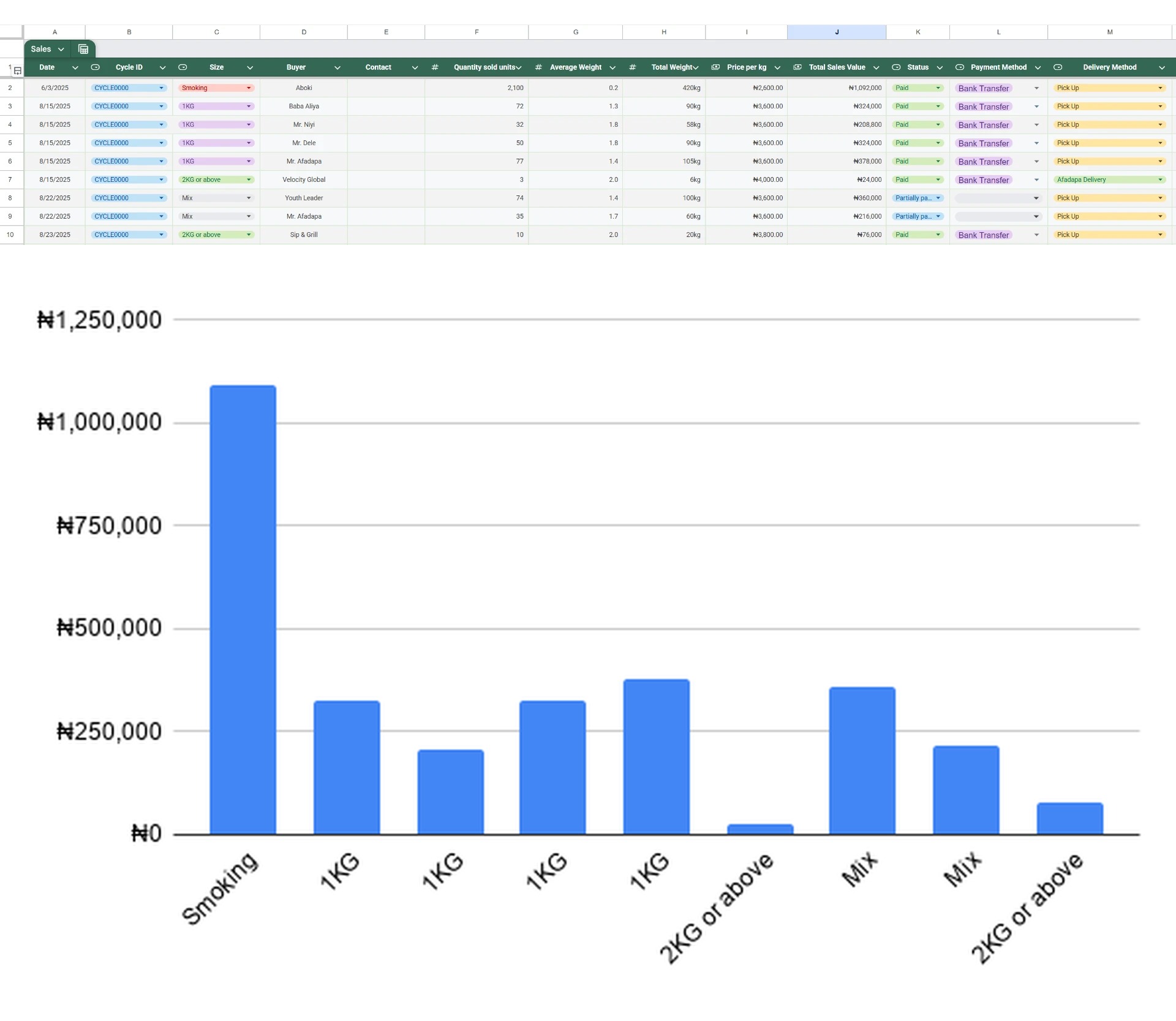
Live product capture
First 10 sales — B2B ledger and value by product size
Opening sales ledger for Cycle 0001 (June–August 2025): buyer, size grade, quantity, average weight, price per kg, payment status and delivery method, with sales value by product size charted beneath. Smoking-grade fish drove the largest single order at ₦1.09m.
Measurement & evidence planThe measures being put in place so outcomes can be reported with confidence rather than estimated.14 items
- Verify the reported ‘10× previous highest sales’ outcome using the sales ledger, a defined comparison period and an agreed definition of the previous high before publication
- Historical sales records and the exact baseline behind the reported pilot improvement
- Pilot dates, duration and territories covered
- Number of B2B prospects contacted
- Number of converted buyers and repeat buyers
- Sales by product and category before and during the pilot
- Photographs of the marketing team in the field
- Original versus revised packaging
- Product mockups and photographs of the physical packaged product
- Farm SOPs, technician logs and operating checklists
- Customer feedback and testimonials
- Website analytics across the three digital surfaces
- Export and compliance readiness documentation where applicable
- Before-and-after brand and digital materials
13
What I learned
Growth exposes operational weaknesses, so demand generation and operational readiness have to move together.
Product differentiation can change the basis of competition when the core commodity is difficult to distinguish.
Packaging is not decoration. It changes trust, perceived quality and channel readiness.
Leading an inexperienced team requires clearer process, feedback and follow-up than leading experts.
Digital products are useful only when they reinforce the physical business model and customer journey.
Remote leadership works when responsibilities, reporting and decision rights are explicit.
Commercial pilots are most valuable when they generate learning as well as sales.
14
Limitations
Stating these plainly is part of the work. These are the boundaries of what the evidence here can and cannot support.
- The transformation is ongoing — this is a live business, not a finished programme.
- Some impact still needs stronger documentation before it can be published as a metric.
- The three digital surfaces are at different levels of maturity.
- Export-oriented positioning is not the same as regulatory or export approval.
- Several operating routines remain manual rather than digitised.
- Pilot sales evidence must be normalised against seasonality, stock availability and a defined comparison period before any major growth claim is made.
- This is an SME and family-business context, not enterprise-scale corporate transformation.
15
What I would do next
The direction is set. The next phase is about instrumentation, verification and deciding what scales centrally versus locally.
Verify and formalise B2B pilot metrics
Establish the baseline and the measured uplift before any figure is published.
Implement CRM and pipeline tracking
Consistent record of prospects, conversations and outcomes.
Formalise repeat-order and account management
Turn a pilot into a repeatable commercial motion.
Single operating dashboard
Farm yield, mortality, feed conversion, harvest and sales data in one view.
Complete food-safety and processing SOP documentation
The precondition for both premium positioning and export.
Validate packaging with buyers
Test with local and export-channel buyers rather than assuming it lands.
Structured consumer tests
Smoked-catfish flavours and formats tested with real consumers.
Instrument websites and lead generation
Analytics so digital spend can be judged on evidence.
Develop a distributor and retail partner proposition
A defined offer for partners rather than ad-hoc arrangements.
Build an export-readiness checklist
Packaging, traceability, compliance and documentation.
Pilot CatfishXpress with clear unit economics
Prove the margin model before any wider rollout.
Define what scales centrally versus locally
Decide which parts of the enterprise are standardised and which stay local.